
 Conference TEHI, November 07-08-Samarkhand, Uzbekistan
Pillars of Innovation: WUST Research Review-2025
Conference-AII, October 28-30, Washington D.C, United States
WUST Research Center
Conference IEEE i-COSTE December 02-04, 2025
Conference on Business Innovation-ICBIID January, 2026
IJCACI 2026 Conference, July 24-25, Alexandria
Conference TEHI, November 07-08-Samarkhand, Uzbekistan
Pillars of Innovation: WUST Research Review-2025
Conference-AII, October 28-30, Washington D.C, United States
WUST Research Center
Conference IEEE i-COSTE December 02-04, 2025
Conference on Business Innovation-ICBIID January, 2026
IJCACI 2026 Conference, July 24-25, Alexandria
Conference TEHI, November 07-08-Samarkhand, Uzbekistan
Pillars of Innovation: WUST Research Review-2025
Conference-AII, October 28-30, Washington D.C, United States
WUST Research Center
Conference IEEE i-COSTE December 02-04, 2025
Conference on Business Innovation-ICBIID January, 2026
IJCACI 2026 Conference, July 24-25, Alexandria
Conference TEHI, November 07-08-Samarkhand, Uzbekistan
Pillars of Innovation: WUST Research Review-2025
Conference-AII, October 28-30, Washington D.C, United States
WUST Research Center
Conference IEEE i-COSTE December 02-04, 2025
Conference on Business Innovation-ICBIID January, 2026
IJCACI 2026 Conference, July 24-25, Alexandria
Conference TEHI, November 07-08-Samarkhand, Uzbekistan
Pillars of Innovation: WUST Research Review-2025
Conference-AII, October 28-30, Washington D.C, United States
WUST Research Center
Conference IEEE i-COSTE December 02-04, 2025
Conference on Business Innovation-ICBIID January, 2026
IJCACI 2026 Conference, July 24-25, Alexandria
Conference TEHI, November 07-08-Samarkhand, Uzbekistan
Pillars of Innovation: WUST Research Review-2025
Conference-AII, October 28-30, Washington D.C, United States
WUST Research Center
Conference IEEE i-COSTE December 02-04, 2025
Conference on Business Innovation-ICBIID January, 2026
IJCACI 2026 Conference, July 24-25, Alexandria
Conference TEHI, November 07-08-Samarkhand, Uzbekistan
Pillars of Innovation: WUST Research Review-2025
Conference-AII, October 28-30, Washington D.C, United States
WUST Research Center
Conference IEEE i-COSTE December 02-04, 2025
Conference on Business Innovation-ICBIID January, 2026
IJCACI 2026 Conference, July 24-25, Alexandria
Conference TEHI, November 07-08-Samarkhand, Uzbekistan
Pillars of Innovation: WUST Research Review-2025
Conference-AII, October 28-30, Washington D.C, United States
WUST Research Center
Conference IEEE i-COSTE December 02-04, 2025
Conference on Business Innovation-ICBIID January, 2026
IJCACI 2026 Conference, July 24-25, Alexandria


Project Title:
Advanced Machine Learning Frameworks for Prediction, Optimization, and Decision Intelligence
Overview:
This research project focuses on developing advanced machine learning and deep learning models for predictive analytics, optimization, and intelligent decision-making across multiple domains, including finance, healthcare, climate science, and industrial systems. The project integrates neural networks, ensemble learning, transformers, and graph-based models to handle large-scale, complex datasets.
Key Research Focus Areas:
Predictive modeling using CNNs, LSTMs, Transformers, and GNNs
Time-series forecasting (finance, sales, climate, emissions)
Optimization using hybrid ML and evolutionary algorithms
Explainable and trustworthy AI models
Current Outcomes:
High-accuracy financial forecasting models
Climate and rainfall prediction systems
Industrial fault prediction and optimization frameworks
Funding & Collaboration Relevance:
Aligned with NSF AI Institutes, DOE, NOAA, and industry analytics partnerships. Supports data-driven policy, economic forecasting, and smart systems.
Published papers:
|
Paper Name |
Keywords |
|
Gen-Optimizer: A Generative AI Framework for Strategic Business Cost Optimization |
generative AI, business cost optimization, transformer model, LLM, transfer learning, NLP, cost efficiency, sustainability |
|
explainable AI, XAI, SHAP, trip mode choice, travel behavior, machine learning, transportation survey |
|
|
DistilRoBiLSTMFuse: An Efficient Hybrid Deep Learning Approach for Sentiment Analysis |
sentiment analysis, deep learning, NLP, DistilRoBERTa, BiLSTM, hybrid model, text classification |

Project Title:
AI-Driven Cybersecurity, Threat Intelligence, and Digital Infrastructure Protection
Overview:
This project develops intelligent cybersecurity systems using machine learning to detect, prevent, and mitigate cyber threats across aviation systems, IoT devices, healthcare networks, and enterprise platforms.
Key Research Focus Areas:
Phishing and social engineering detection using ML
Aviation cybersecurity (ADS-B spoofing and injection detection)
IoT security using IEEE-compliant AI frameworks
Privacy-aware and explainable cyber-defense systems
Current Outcomes:
Real-time ADS-B attack detection models
High-accuracy phishing detection systems
AI frameworks for securing IoT and medical devices
Funding & Collaboration Relevance:
Strong alignment with DoD, DHS, FAA, DARPA, and critical infrastructure security programs.
Published papers:
|
Paper Name |
Keywords |
|
Artificial Intelligence for Cybersecurity: A State of the Art |
cybersecurity, AI, machine learning, threat detection, adversarial attacks, XAI, quantum computing |
|
Optimizing Intrusion Detection with Hybrid Deep Learning Models and Data Balancing Techniques |
intrusion detection, deep learning, SMOTE, data balancing, IDS, network security, hybrid model |
|
Dynamic Secret Sharing for Enhanced Cloud Security: Tackling Eavesdropping and Threshold Attacks |
secret sharing, cloud security, eavesdropping, threshold attacks, cryptography, distributed systems |
|
Automating Malware Detection and Response via Real-Time Threat Feed Integration with Wazuh SIEM |
malware detection, SIEM, Wazuh, threat intelligence, real-time response, cybersecurity automation |
|
AI-Driven Secure Semantic Communication with Dynamic Encryption for Real-Time Data Integrity |
semantic communication, dynamic encryption, AI security, data integrity, real-time, secure communication |

Project Title:
Explainable AI for Medical Imaging, Diagnostics, and Predictive Healthcare
Overview:
This project advances AI-powered healthcare by developing interpretable, high-accuracy diagnostic systems for early disease detection, medical imaging analysis, and healthcare system optimization.
Key Research Focus Areas:
Cancer detection (breast, brain, gallbladder) using deep learning
Ophthalmic biomarker detection with explainable AI
Alzheimer’s disease and neurological disorder analysis
IoT-enabled predictive healthcare and fraud detection
Current Outcomes:
Graph Neural Network models for cancer diagnosis
Explainable deep learning models for clinical decision support
AI-based healthcare fraud and risk detection systems
Funding & Collaboration Relevance:
Highly aligned with NIH, NCI, NIBIB, healthcare systems, and medical technology companies.
Published papers:
|
Paper Name |
Keywords |
|
A Hybrid Transfer Learning Framework for Brain Tumor Diagnosis |
brain tumor, transfer learning, MRI, deep learning, VGG16, ResNet, XAI, medical imaging |
|
OCT, ophthalmic biomarker, active learning, explainable AI, GradCAM, semi-supervised, ophthalmology |
|
|
DeepDenseVit: A Hybrid Deep Learning Approach for Ovarian Cancer Classification |
ovarian cancer, deep learning, ViT, DenseNet, hybrid model, medical imaging, classification |
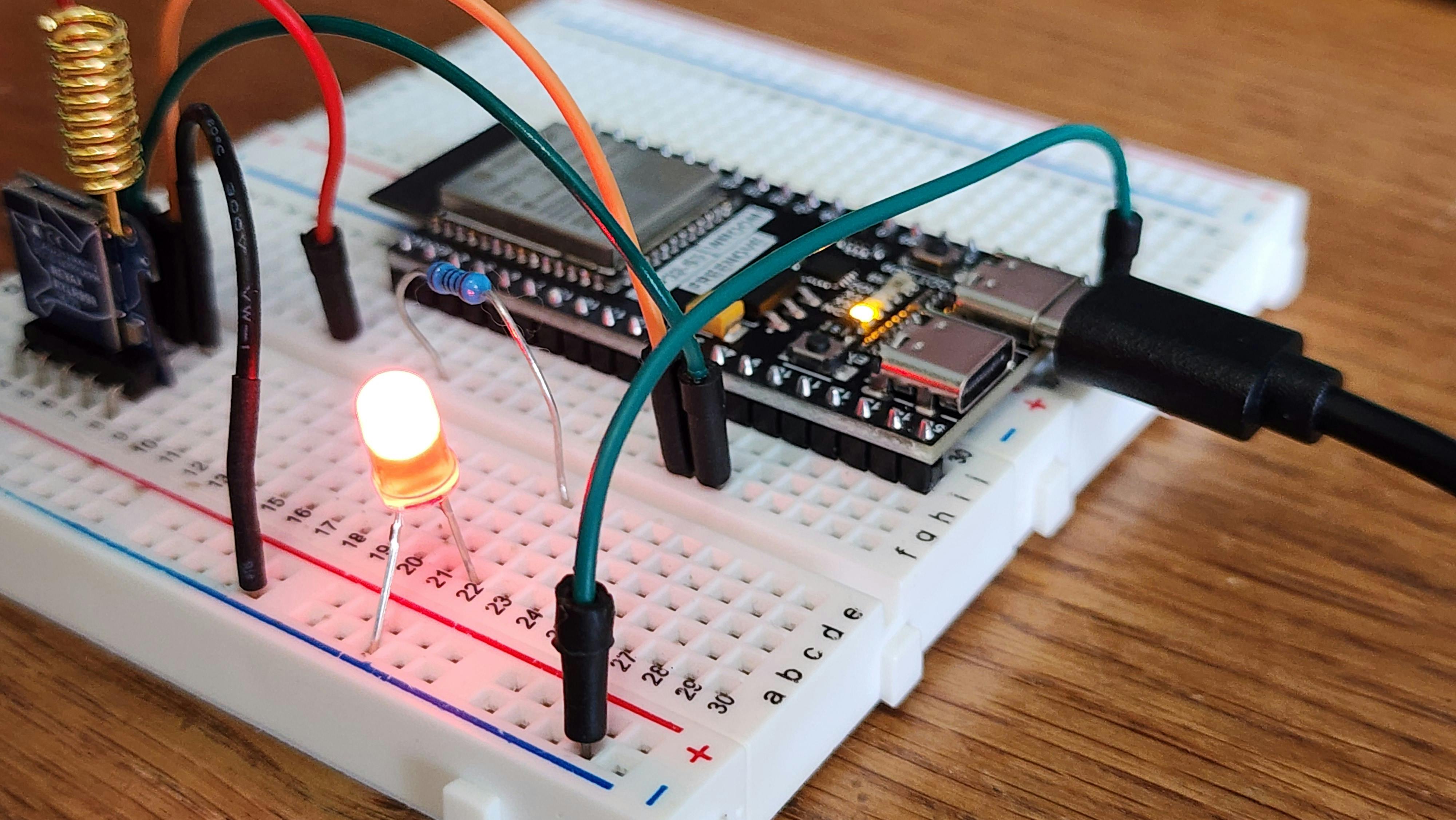
Project Title:
Intelligent IoT, Robotics, and Autonomous Engineering Systems
Overview:
This project focuses on intelligent cyber-physical systems integrating AI, IoT, robotics, and autonomous control for real-world engineering applications.
Key Research Focus Areas:
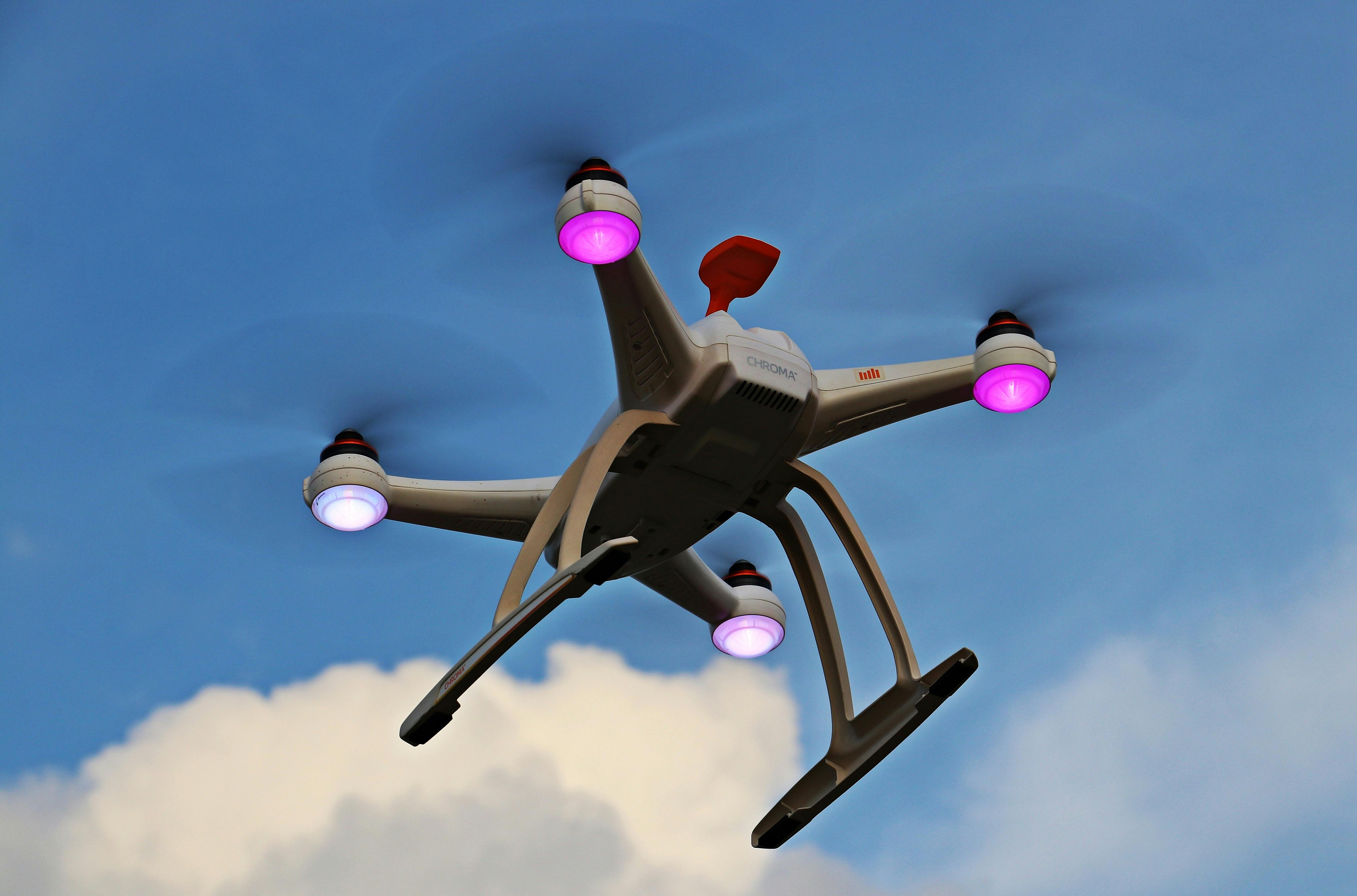
Autonomous drones and UAV route optimization
Self-driving agricultural and industrial machinery
Smart IoT sensor networks
AI-enhanced robotics for construction and infrastructure
Current Outcomes:
UAV navigation and optimization frameworks
Autonomous agricultural machinery studies
Smart infrastructure monitoring systems
Funding & Collaboration Relevance:
Aligned with NSF Engineering, USDA, DoD autonomy programs, and smart infrastructure initiatives.
Published papers:
|
Paper Name |
Keywords |
|
Digital Twin for Intelligent Context-Aware IoT Healthcare Systems |
digital twin, IoT, healthcare, context-aware, intelligent systems, smart health, edge computing |
|
smart home, IoT, home automation, energy efficiency, security, remote access, embedded systems |
|
|
LineCourier: A Semi-Autonomous Mobile Robot for Indoor Logistics |
mobile robot, indoor logistics, semi-autonomous, navigation, line following, delivery robot |
|
Smart IoT Egg Incubator System with Machine Learning for Damaged Egg Detection |
IoT, egg incubator, machine learning, image processing, smart agriculture, embedded systems |

Project Title:
Generative AI for Optimization, Decision Support, and Intelligent Systems
Overview:
This project explores the transformative impact of Generative AI in business optimization, system design, and decision-making processes.
Key Research Focus Areas:
Generative models for cost optimization and planning
AI-assisted strategic decision-making
Synthetic data generation for model robustness
Ethical and responsible generative AI
Current Outcomes:
Generative AI frameworks for business cost optimization
AI-driven strategic modeling tools
Funding & Collaboration Relevance:
Aligned with NSF, industry R&D, enterprise AI initiatives, and responsible AI programs.
Published papers:
|
Paper Name |
Keywords |
|
EduBot: A Low-Cost Multilingual AI Educational Robot for Inclusive and Scalable Learning |
educational robot, multilingual AI, NLP, inclusive education, low-cost, scalable learning, chatbot |
|
Exploring Religions and Cross-Cultural Sensitivities in Conversational AI |
conversational AI, religion, cross-cultural, NLP, bias, cultural sensitivity, LLM |
|
conversational AI, multi-intent detection, context-aware, NLP, customer interaction, dialogue systems |
|

Project Title:
AI for Sustainable Agriculture, Climate Intelligence, and Environmental Monitoring
Overview:
This project develops AI-driven solutions for sustainable farming, food security, climate resilience, and environmental protection.
Key Research Focus Areas:
Crop disease and weed detection using deep learning
IoT-enabled smart farming and crop suitability analysis
Climate modeling and rainfall prediction
Emission forecasting and environmental analytics
Current Outcomes:
Multi-crop disease detection systems
Adaptive weed classification models
High-accuracy rainfall and emission prediction tools
Funding & Collaboration Relevance:
Strong alignment with USDA, EPA, NOAA, DOE, and sustainability-focused funding programs.
Published papers:
|
Paper Name |
Keywords |
|
wheat disease, deep learning, multi-scale feature extraction, CNN, plant pathology, image classification |
|
|
ADeepWeeD: An Adaptive Deep Learning Framework for Weed Species Classification |
weed classification, deep learning, adaptive framework, CNN, precision agriculture, plant identification |
|
Internet of Things and AI Powered Crop Suitability Detection System for Sustainable Farming |
IoT, crop suitability, AI, sustainable farming, precision agriculture, sensors, smart farming |
|
Crop Recommendation: A Technology-Driven Approach to Enhancing Agricultural Productivity |
crop recommendation, machine learning, agricultural productivity, smart farming, soil analysis, AI |
Project Title:
AI for Smart Mobility, Transportation Safety, and Energy-Efficient Systems
Overview:
This project focuses on applying AI to transportation safety, electric and new-energy vehicles, and intelligent mobility systems.
Key Research Focus Areas:
AI-driven fault detection in New Energy Vehicles (NEVs)
Transportation system safety and optimization
Predictive maintenance for smart mobility systems
Renewable energy integration and efficiency modeling
Current Outcomes:
NEV fault prediction models
Transportation safety analytics
Energy optimization frameworks
Funding & Collaboration Relevance:
Aligned with DOE, DOT, FAA, automotive industry, and smart transportation initiatives.
Published papers:
|
Paper Name |
Keywords |
|
trip mode choice, XAI, SHAP, travel behavior, NHTS, transportation, machine learning |
|
|
Energy-Optimal Routing Optimization for Connected and Autonomous Vehicles in Urban Networks |
autonomous vehicles, energy optimization, routing, urban networks, CAV, numerical modeling |
|
blockchain, energy transactions, fraud detection, AI, smart grid, energy market, security |
|
|
smart city, streetlight control, machine learning, energy optimization, IoT, LED, urban infrastructure |
|

Project Title:
Emerging AI Applications: Geospatial Intelligence, Smart Cities, and Digital Transformation
Overview:
This project explores emerging AI applications that support urban planning, renewable energy, smart cities, and digital transformation.
Key Research Focus Areas:
Geospatial AI and land-use analytics
Renewable energy planning (rooftop solar detection)
Smart city decision-support systems
AI-enabled digital governance
Current Outcomes:
YOLO-based rooftop solar mapping
Real-time land intelligence platforms
Urban analytics and planning tools
Funding & Collaboration Relevance:
Aligned with NSF Smart & Connected Communities, DOE renewable energy programs, and city/state innovation grants.
Published papers:
|
Paper Name |
Keywords |
|
geospatial AI, land-use classification, CNN, SHAP, smart city, sustainable urbanization, urban growth, remote sensing, Sentinel-2 |
|
|
Explainable Spatially Explicit Geospatial Artificial Intelligence in Urban Analytics |
GeoAI, graph neural networks, urban analytics, explainable AI, spatial data, GNN, XAI, city science |
|
Deep Learning for Urban Land Use Category Classification: A Review and Experimental Assessment |
urban land use, deep learning, CNN, transformer, remote sensing, social sensing, multimodal fusion, classification |
|
spatial data infrastructure, SDI, smart governance, IoT, geospatial, AI analytics, cloud computing, urban decision-making |
|
|
LandSin: A Differential ML and Google API-Enabled Web Server for Real-Time Land Insights and Beyond |
land intelligence, real-time analytics, machine learning, Google API, web server, geospatial data, differential ML |
|
YOLOv8, rooftop detection, aerial imagery, photovoltaic, solar energy, object detection, YOLO, PV potential assessment |
|
|
rooftop PV, deep learning, DeepLabv3+, solar potential, urban energy planning, satellite imagery, techno-economic analysis |
|
|
Automated Rooftop Solar Panel Detection Through Convolutional Neural Networks |
solar panel detection, CNN, aerial imagery, photovoltaic mapping, remote sensing, segmentation, renewable energy |
|
LiDAR, rooftop solar, UAV, deep learning, geometric features, MLP, solar mapping, renewable energy |
|
|
Detecting Defects in Solar Panels Using the YOLO v10 and v11 Algorithms |
solar panel defect detection, YOLOv10, YOLOv11, object detection, photovoltaic inspection, fault detection, aerial imagery |
|
AI, smart city, urban governance, mobility, energy, predictive analytics, e-governance, digital transformation, case studies |
|
|
Leveraging AI to Enable Sustainable Urban Development Through Smart and Carbon-Free Cities |
sustainable urban development, AI, carbon-free cities, ensemble learning, IoT, smart grid, predictive modeling, energy efficiency |
|
Artificial Intelligence in Smart Cities — Applications, Barriers, and Future Directions: A Review |
AI, smart city, smart governance, smart mobility, smart economy, barriers, literature review, urban AI |
|
digital transformation, smart city, AI, IoT, dashboard, digital maturity index, NLP, public administration |
|
|
smart city, streetlight control, machine learning, energy optimization, IoT, LED, urban infrastructure, smart lighting |
|
|
Generative AI Meets Future Cities: Towards an Era of Autonomous Urban Intelligence |
generative AI, urban planning, land-use configuration, GAN, autonomous urban intelligence, geospatial AI, responsible AI |
|
geodesign, AI, land use, spatial analysis, GAN, LSTM, transformer, heat island, green infrastructure, urban design |
|
|
AI-Driven Data Governance for Smart Cities: Balancing Privacy, Efficiency, and Public Trust |
AI governance, smart city, privacy, federated learning, differential privacy, algorithmic fairness, public trust, digital rights |
|
Digital Technology and AI for Smart Sustainable Cities in the Global South: A Critical Review |
smart sustainable city, digital technology, AI, Global South, IoT, big data, governance, digital divide, sustainability |
|
How Will AI Transform Urban Observing, Sensing, Imaging, and Mapping? |
AI, urban sensing, earth observation, satellite imagery, remote sensing, urban mapping, autonomous design, geospatial big data |